The Belgian Wave
- On the evening of November 29, 1989, police patrols near Eupen, close to the German border, report a large triangular craft with bright lights at its corners and a red-orange light in the center.
- Over about 18 months, the civilian research group SOBEPS collects roughly 2,000 reports of silent, slow, low-flying triangles. In a rare step, the Belgian Air Force cooperates openly with the civilian investigators.
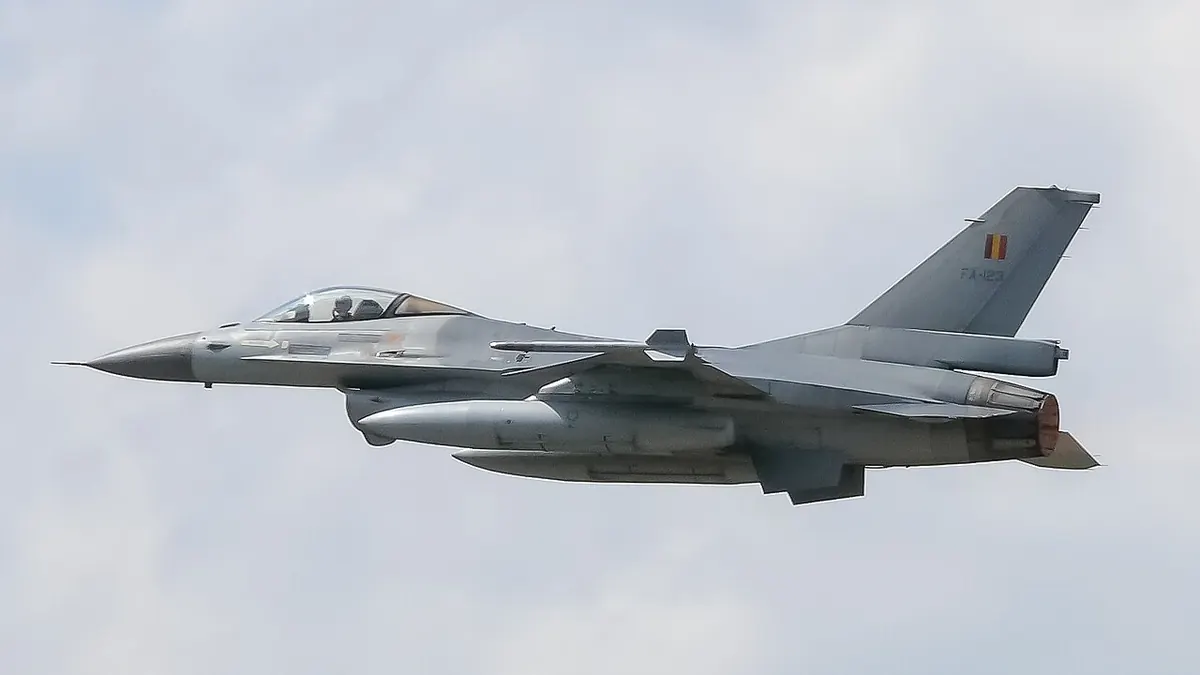
- On March 30–31, 1990, two F-16s scramble after ground radar contacts and briefly lock on to targets that seem to change speed sharply. The pilots never see anything, and skeptics blame radar interference and the jets locking on to each other.
- The wave’s most famous image, the ‘Petit-Rechain photo’ of a black triangle with glowing corners, fooled analysts for 20 years. In July 2011 the photographer admitted it was a painted foam model with flashlights.
Key witnesses: Police officers in Eupen, thousands of civilians, Belgian Air Force F-16 pilots; Col. Wilfried De Brouwer (Air Staff)
Status: PARTIALLY EXPLAINED