NEWS · VOLKEL, NETHERLANDS
Dutch military memo: drone activity over air bases rose ‘considerably’
Documents released under the Dutch freedom-of-information law show the Air Force saw a ‘real and serious threat’ — but the ministry won’t release its list of ‘unknown objects’.
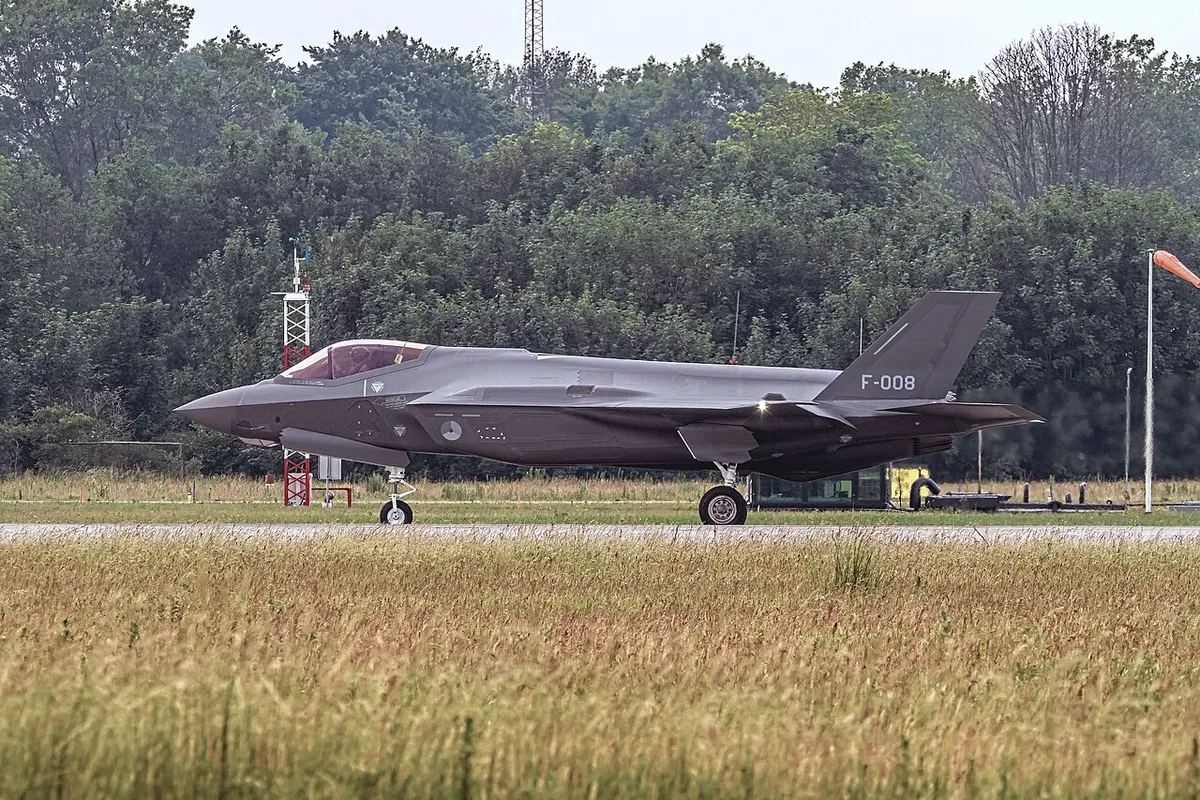
An internal Royal Netherlands Air Force memo dated November 6, 2025, released to the broadcaster RTL Nieuws under the Dutch Open Government Act (Woo), says reported drone activity around several military air bases had increased “considerably.” It describes unknown parties flying “new” and “larger” systems inside the bases’ control zones, over runways and important buildings, and calls the situation a “real and serious threat.”
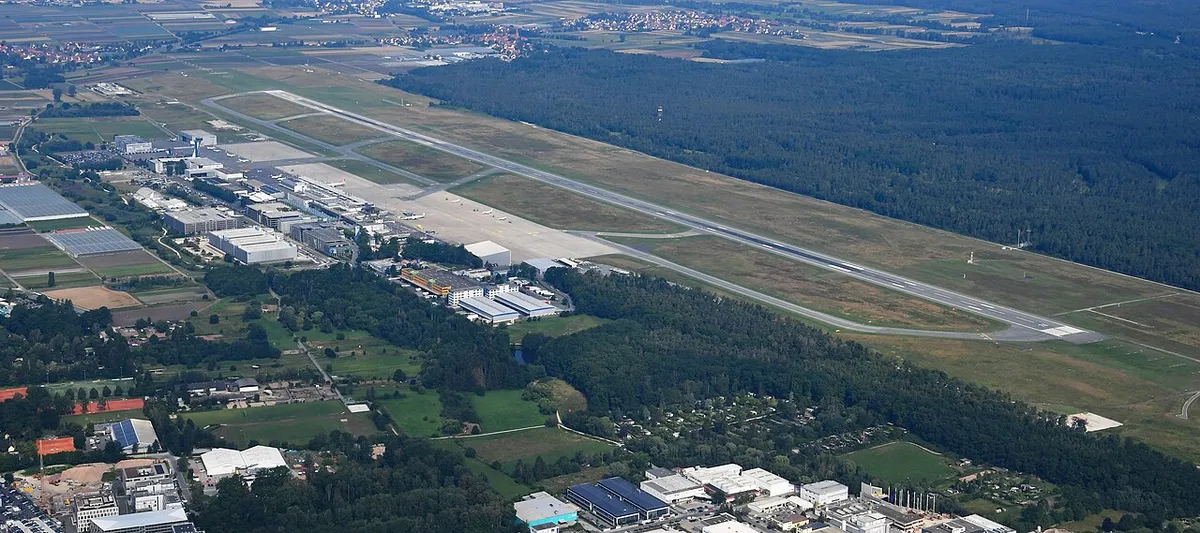
The defence ministry considered responses up to and including the use of firearms. Notices to pilots issued in early December 2025 warned that anyone flying in the no-fly zones risked “live ammunition.” The sightings centred on air bases such as Volkel and Gilze-Rijen, with others reported near NATO’s headquarters in Brunssum, the NATO base at Geilenkirchen just across the German border, Maastricht Aachen Airport, the Chemelot industrial park and Eindhoven.
What the ministry won’t say
The ministry refused to release its separate overview of “UNKNOWN objects.” It also won’t say how often drones were seen, what was found, or whether the incidents continued after November 2025. Its reason: the information would what Dutch detection systems can and cannot do.
On November 21–22, 2025, suspected drones over Volkel and near Eindhoven briefly halted traffic at Eindhoven. The then state secretary for defence, Gijs Tuinman, said they were believed to be hobby drones. A letter from the ministry to parliament on November 24 said their origin was unknown.
Drones, or something else?
An investigation by the newspaper Trouw and the specialist site Dronewatch looked at about 60 reports. It found that many could be explained as other objects or could not be confirmed at all. Dronewatch points out the problem with secrecy: as long as the list of “unknown objects” stays classified, nobody outside the military can check how many of them were really drones.
This pattern has repeated across Europe since 2025. Reports cluster around sensitive sites, alarms halt flights, and official explanations stay vague for security reasons. That leaves room for speculation, from foreign sabotage to mistaken sightings. The released documents show the Dutch military took the reports seriously. They don’t show what was actually flying.