Japan Air Lines 1628
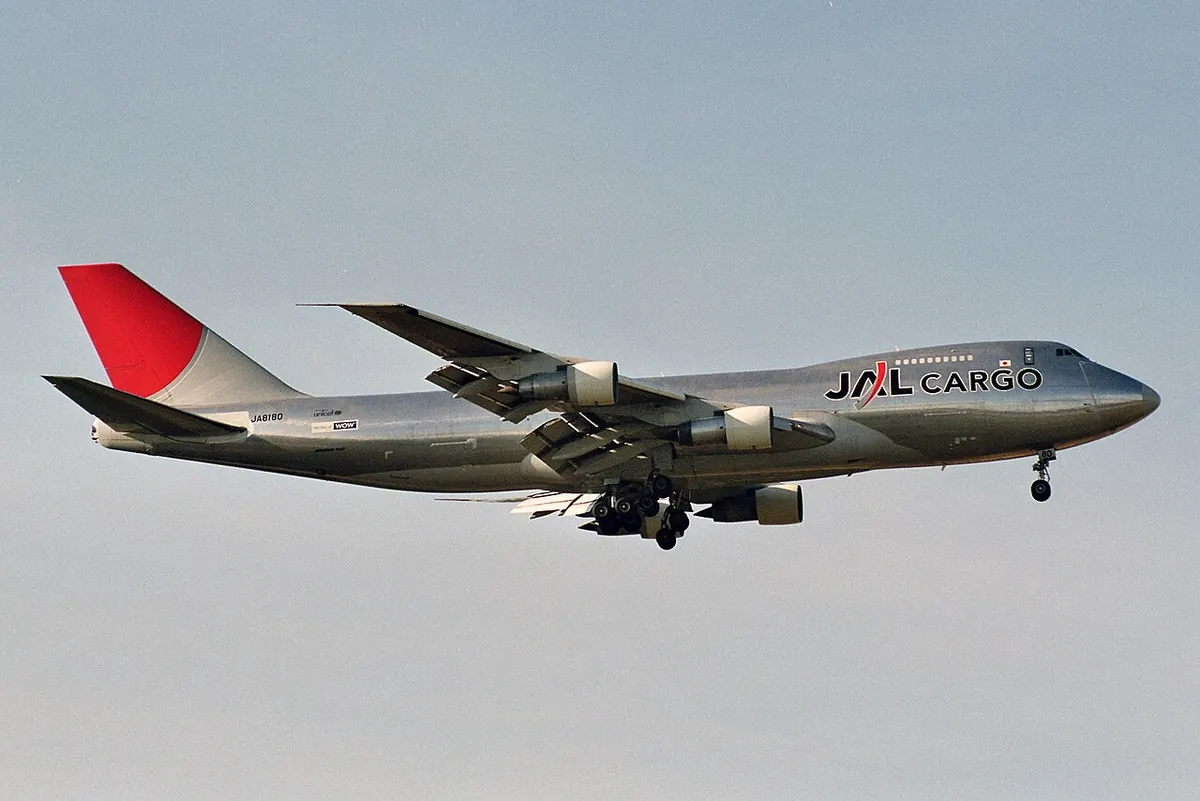
- On November 17, 1986, the crew of Japan Air Lines cargo Flight 1628, a Boeing 747, reports strange lights pacing their plane at 35,000 feet over Alaska.
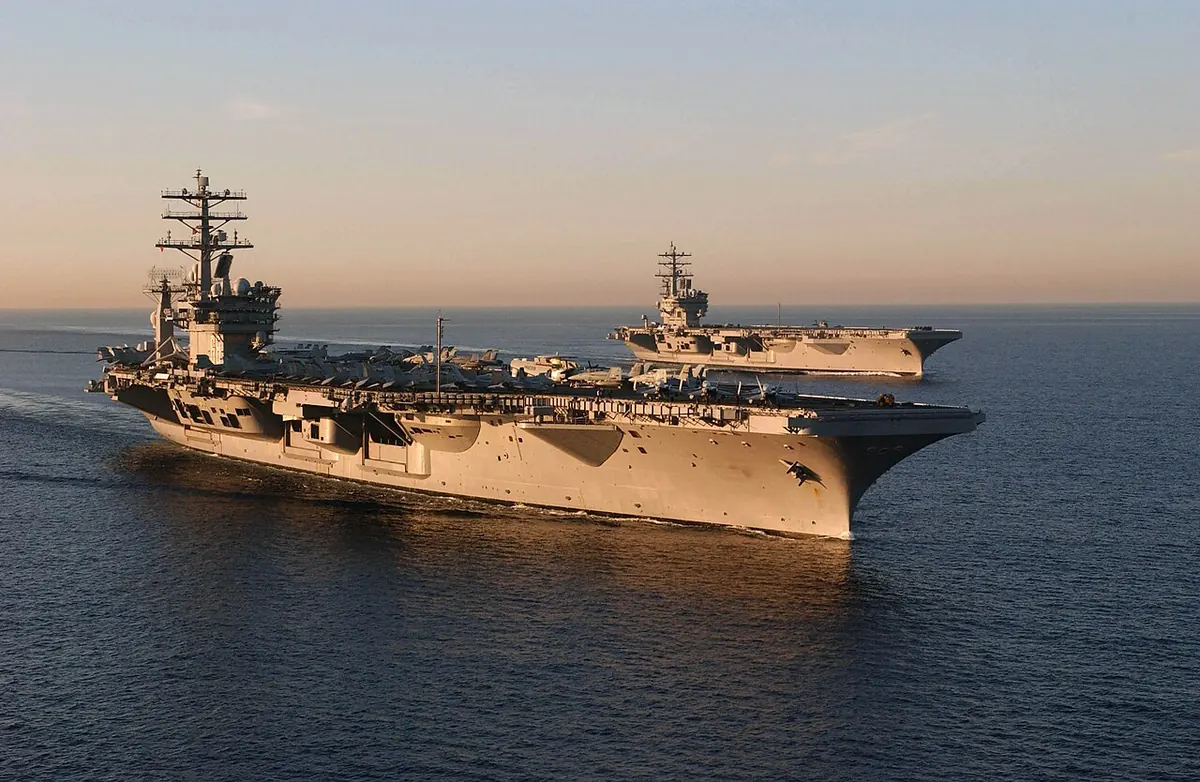
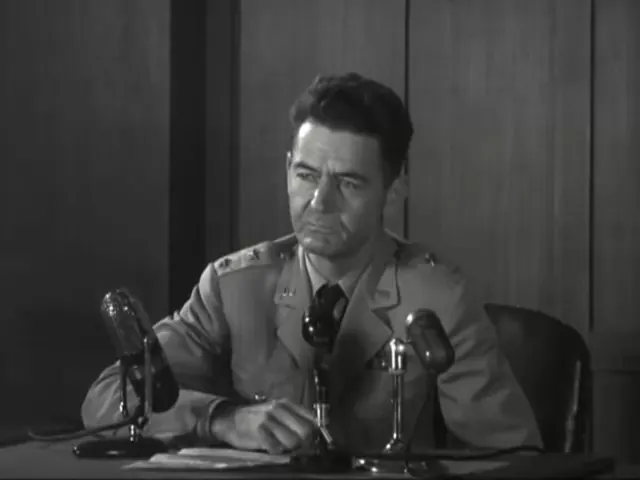
- Captain Kenju Terauchi, a 29-year veteran, describes ‘two small ships and the mothership’, including a walnut-shaped giant he says was ‘two times bigger than an aircraft carrier’.
- An Anchorage air traffic controller reports a target near the jet on radar and offers evasive turns. The crew says the lights stayed with them through the turns and a descent, for more than half an hour.
- In March 1987 the FAA concludes the radar blip was most likely a ‘split image’ of the 747 itself, and skeptic Philip Klass argues the crew was seeing the planet Jupiter. The FAA also describes the crew as ‘normal, professional, rational’.
Key witnesses: Capt. Kenju Terauchi, First Officer Takanori Tamefuji, Flight Engineer Yoshio Tsukuba; FAA Anchorage controllers
Status: DEBATED
Background
Japan Air Lines Flight 1628 was a Boeing 747 freighter on a chartered cargo run from Paris to Tokyo, carrying a load of French wine, with stops in Reykjavik and Anchorage. On the evening of November 17, 1986, it was on the Reykjavik-to-Anchorage leg, crossing the Alaskan interior at 35,000 feet.
Its captain, Kenju Terauchi, was 47 and, according to press reports, had 29 years of flying behind him, and lived in Anchorage with his family. With him were First Officer Takanori Tamefuji and Flight Engineer Yoshio Tsukuba. The FAA’s Anchorage Air Route Traffic Control Center handled the flight, and Air Force radar at Elmendorf Air Force Base also covered the area.
What was reported
The crew first noticed the lights shortly after 5 p.m. local time, northeast of Fairbanks near Fort Yukon, and contacted Anchorage Center at about 5:19. Terauchi described two smaller objects that flew alongside the jet and then suddenly closed in, followed later by a much larger shape. The crew reported flashing white and yellow lights that did not match normal aircraft markings. Military radar at Elmendorf reported a target about eight miles from the jet, then said a minute later that it no longer appeared. The Anchorage controller, who said he saw a second return near the 747, approved a 360-degree turn and a descent of about 4,000 feet. ‘They were still following us,’ Terauchi later told reporters.
Near Fairbanks, a United Airlines jet heading north from Anchorage was asked to look; its crew could see the Japanese 747 but nothing else. Terauchi said the large object disappeared as the other plane approached. The lights were reported gone at about 5:53 p.m., after roughly 50 minutes, and the 747 landed in Anchorage. The episode stayed out of the news until United Press International asked the FAA about it at the end of December. On January 11, 1987, Terauchi, flying with a different crew, reported lights again over northeastern Alaska; that sighting never appeared on radar, and FAA officials suggested ice crystals reflecting the lights of villages below.
Investigations and official findings
FAA staff interviewed the crew on the night they landed and again in January. By January 8, FAA spokesman Paul Steucke was saying that recorded radar data showed a return near the jet but that investigators believed it was a double image of the 747 itself, adding, ‘we don’t have any radar confirmation of the object.’ Air Force officials called their own brief contact ‘random clutter,’ and an Air Force sergeant told UPI, ‘We got out of the UFO business some time ago.’ Steucke stressed that the FAA was ‘not in the business of looking for or identifying unidentified flying objects’ and was examining the matter because of the possible hazard to air traffic.
The FAA released its final file on March 5, 1987. According to UPI, it could not support the crew’s account but found nothing that contradicted it either, and it attributed the controller’s target to a split radar image of the cargo plane, in the FAA’s technical wording an ‘uncorrelated primary and beacon target.’ Asked to sum up, a spokesman said, ‘The FAA does not have enough material to say something was there.’ The co-pilot and flight engineer said it was their first UFO sighting.
Explanations and debate
Longtime Aviation Week editor Philip Klass argued that the large ‘mothership’ was the planet Jupiter, which lay in that direction, and noted that the 747’s own weather radar showed only a weak return of the kind produced by thin cloud, not the strong echo a large solid object should produce. Skeptics also point to FAA documents describing Terauchi as a ‘UFO repeater’ with earlier sightings, to his colleagues’ statements that the smaller lights looked much like stars, and to radio transcripts suggesting the large object vanished during the turn, not afterward. Skeptoid’s Brian Dunning called the case ‘just another unevidenced aerial anecdote.’
Those who see the case as unexplained point to a three-person professional crew, a ground controller who watched a return near the jet in real time, a military radar report, and a sighting that lasted the better part of an hour. Physicist Bruce Maccabee, who studied the FAA material, argued that the sighting and radar contacts could not be easily dismissed and that the radar showed something more than split images. Terauchi himself never backed down and said he believed the objects were spacecraft.
Why it still matters
The case gained a second life through John Callahan, a former FAA division chief. Beginning in 2001, and later in Leslie Kean’s 2010 book UFOs: Generals, Pilots, and Government Officials Go on the Record, he described a January 1987 briefing in Washington where, he said, a CIA representative told those present, ‘This event never happened.’ According to Skeptoid, Maccabee and Ron Pandolfi, who both say they attended, have called the secrecy claim false, and Callahan said he kept copies of the material himself. In 2001 the FAA told researcher John Greenewald of The Black Vault that its records would be destroyed, yet a far larger file later surfaced at the National Archives. JAL 1628 remains the classic airline case, cited both as a credible crew report and as a lesson in how radar artifacts and night lights mislead.
Sources
- UPI: JAL pilot describes UFO (1986) archived
- Wikipedia: Japan Air Lines Cargo Flight 1628 archived
- UPI: Controller confirms UFO sighting, December 1986
- UPI: Radar review fails to confirm UFO, January 1987 archived
- UPI: JAL pilot reports second UFO sighting, January 1987
- UPI: Final FAA report can’t explain UFO sighting, March 1987 archived
- Skeptoid: The Japan Air Lines Alaska UFO, 2020 archived
- The Black Vault: FAA files on JAL Flight 1628 archived