The Tic Tac
- For about two weeks, according to crew accounts, the advanced SPY-1 radar on the cruiser USS Princeton tracks objects that, Cmdr. David Fravor later said, drop from above 80,000 feet to around 20,000 feet (a leaked 2009 report gives 60,000 feet down to just above the water).
- On November 14, Cmdr. David Fravor and Lt. Cmdr. Alex Dietrich are vectored to a contact. They see a disturbance in the water and a white, smooth, wingless object about 40 feet long.
- As Fravor descends toward it, the object ‘mirrors’ his movements, then accelerates away ‘like nothing I’ve ever seen’. Radar picks it up roughly 60 miles away moments later — at the jets’ pre-planned meeting point.
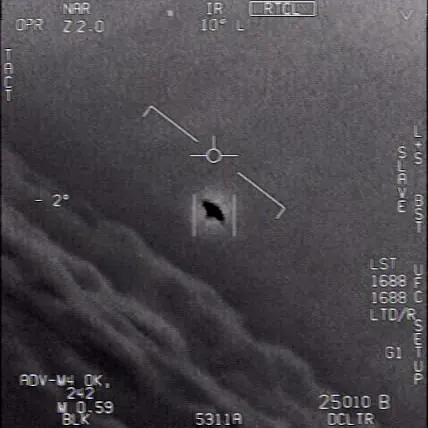
- About an hour and a half later, Lt. Chad Underwood records the object on an infrared targeting pod. This becomes the ‘FLIR1’ video.
Key witnesses: Cmdr. David Fravor, Lt. Cmdr. Alex Dietrich, Lt. Chad Underwood, USS Princeton radar crew
Status: UNRESOLVED
Background
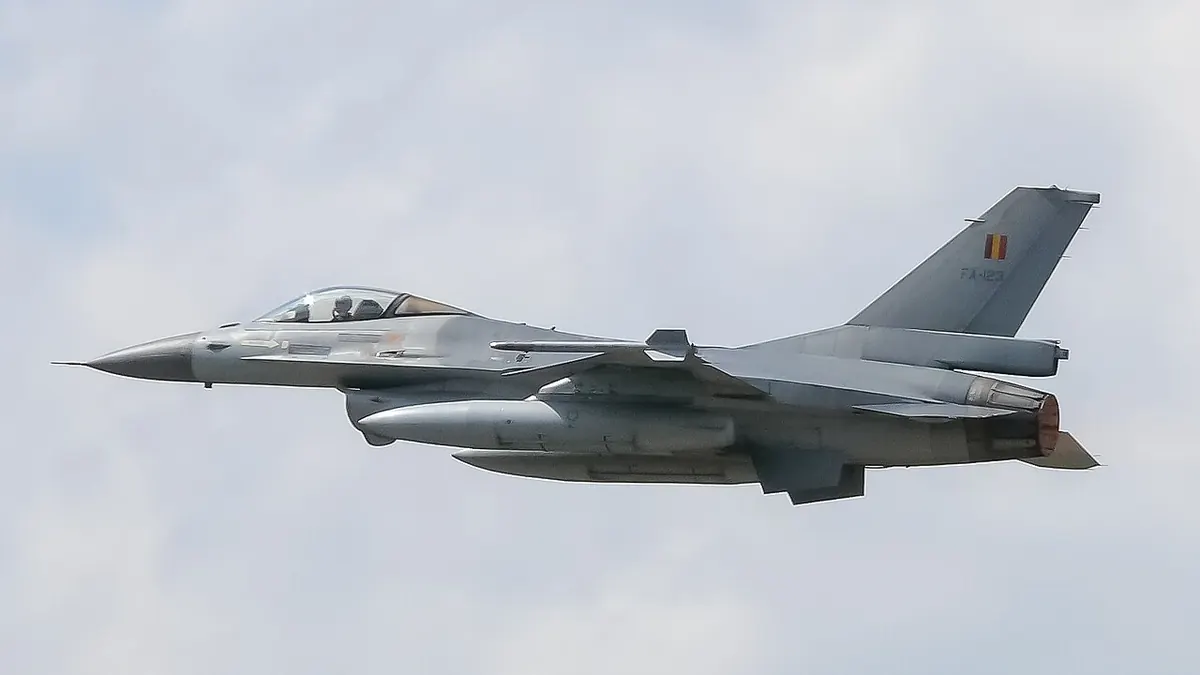
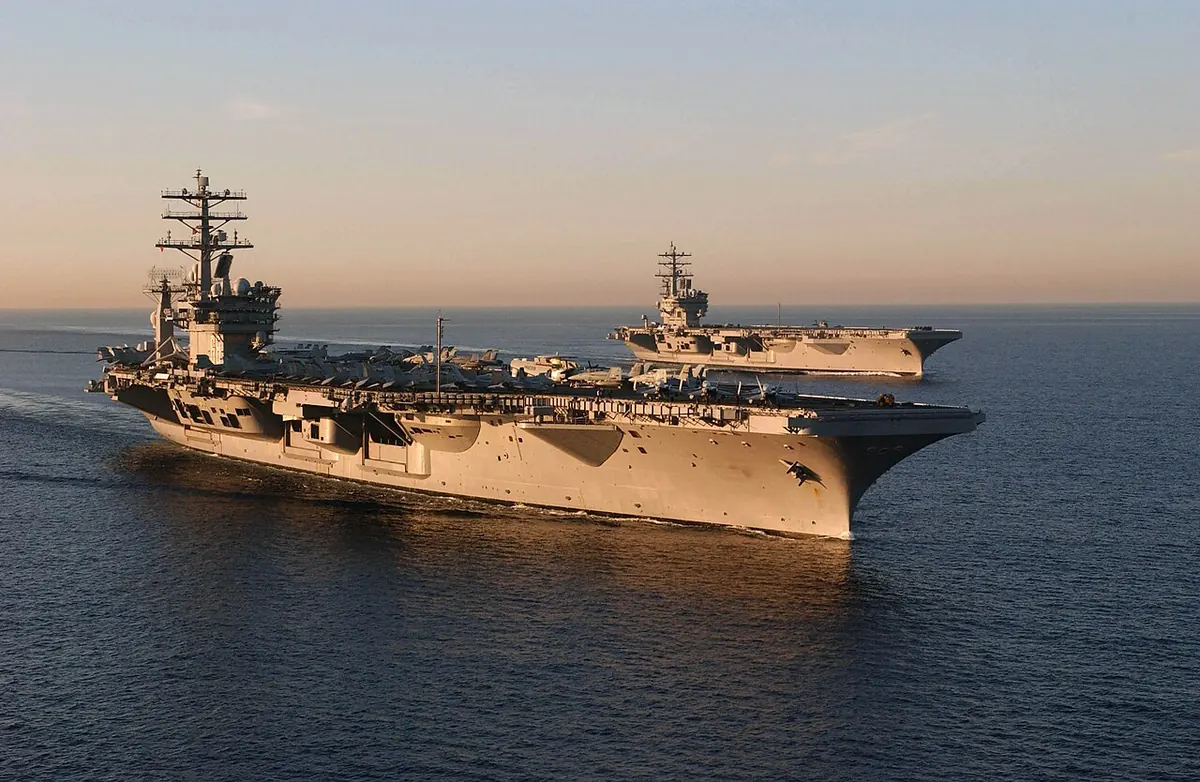
In November 2004 the aircraft carrier USS Nimitz and its strike group were off Southern California and Baja California, early in the training cycle that prepares a battle group for a combat deployment. Among the ships was the guided-missile cruiser USS Princeton (CG-59), whose Aegis combat system and SPY-1 radar controlled much of the air training. Cmdr. David Fravor commanded Strike Fighter Squadron 41, the ‘Black Aces’, which flew two-seat F/A-18F Super Hornets from the carrier.
According to Kevin Day, a radar operator on the Princeton who has described the episode in many interviews, unusual returns began around November 10, when clusters of slow-moving objects appeared at about 28,000 feet near San Clemente Island. Crew members have said the Princeton spent days trying to rule out false tracks, including shutting down and recalibrating its radar.
What was reported
On November 14, according to accounts of the encounter, Fravor launched to lead a two-versus-two training exercise against Marine F/A-18s from VMFA-232. The Princeton suspended the training for ‘real world tasking’ and sent his pair toward a contact. He said the controller had been watching such objects for about two weeks as they dropped from above 80,000 feet to around 20,000 feet, lingered for hours and then climbed straight back up.
Fravor wrote that the white object turned to align with his jet and climbed as he spiraled down toward it. With the object about half a mile ahead and roughly 12,000 feet up, he said it ‘rapidly accelerated and disappeared,’ and the patch of disturbed water beneath it was gone too. Moments later, he said, the Princeton reported a contact at the flight’s planned meeting point, about 60 miles away.
Lt. Chad Underwood, a pilot in the same squadron, launched on a later sortie after Fravor told him to be on the lookout. He told New York magazine in December 2019 that he tracked the object on radar and on his ATFLIR targeting pod from inside 20 miles but never saw it with his own eyes. He said it showed no exhaust plume and that he coined the name ‘Tic Tac’. Fravor wrote that Underwood’s jet radar also showed signs of jamming, which the public video does not show.
Investigations and official findings
Fravor told Congress the incident ‘was never investigated’ at the time and that his crews were never questioned. Underwood said he spoke briefly by phone with someone he assumed was from NORAD but received no formal debriefing. In 2009 the Pentagon’s Advanced Aerospace Threat Identification Program examined the case, and a resulting report surfaced through Las Vegas station KLAS in 2018. It described objects that showed ‘high velocities and turn rates’ and concluded the vehicle was of unknown origin. Its authorship and official status have been debated.
The FLIR1 video appeared in The New York Times in December 2017. In 2019 the Navy said it designated the objects in that video and two others as ‘unidentified aerial phenomena’, and in April 2020 the Defense Department formally released the three clips. The intelligence community’s June 2021 preliminary assessment covered 144 military reports dating back to November 2004 and explained only one. Sean Kirkpatrick, the first director of the All-domain Anomaly Resolution Office (AARO), said in 2024 that there was not enough data to ever reach a conclusion on the Tic Tac.
Explanations and debate
Skeptics focus mostly on the video, since the radar data and full cockpit recordings have never been made public. Investigator Mick West has argued that FLIR1 fits a distant jet flying away from the camera, and that the shape is ‘essentially just the glare of a hot object’. In his view, the sudden dart to the left at the end comes from the pod losing its lock and changing zoom. Underwood conceded he ‘can’t confirm’ the object really accelerated that way, though he said his jet was not maneuvering hard enough to produce it.
Proponents reply that the video is only one strand of the evidence. Four aircrew in two jets described the same object at close range in clear weather, and the Princeton’s radar reportedly tracked contacts for days. Underwood said the number of independent sensors and witnesses made a weather effect unlikely. Fravor dismissed critics who reason from the footage ‘who’ve never operated the system’.
Why it still matters
More than any other modern case, the Tic Tac moved the subject from tabloids to committee rooms. It anchored the 2017 Times story that revealed the Pentagon program, and it put Fravor and Alex Dietrich in front of television audiences. Fravor then testified under oath in 2023, and the case still shapes how Congress talks about pilot reporting and stigma. It also shows the problem officials keep pointing to: without the original sensor data, neither side can settle what the jets met that afternoon.
Sources
- Wikipedia: 2004 USS Nimitz incident archived
- CBS 60 Minutes: UFOs in U.S. airspace (2021) archived
- House Oversight hearing transcript, July 26, 2023 archived
- New York magazine: Q&A with Navy pilot Chad Underwood, 2019 archived
- House Oversight: David Fravor written statement, 2023 archived
- The War Zone: Detailed official report on the 2004 encounter surfaces, 2018 archived
- ODNI: Preliminary Assessment on Unidentified Aerial Phenomena, 2021 archived
- San Diego Union-Tribune (via Aviation Pros): Skeptics on the Navy UFO videos, 2021 archived
- Metabunk: Transcript of Sean Kirkpatrick’s Guardian interview, 2024 archived