The Kecksburg Acorn
- At about 4:44 p.m. EST on December 9, 1965, a bright fireball is seen over Michigan and Ontario and from several states; the FAA logs 23 pilot reports. Soon afterwards residents of Kecksburg, about 30 miles southeast of Pittsburgh, report something coming down in the woods.
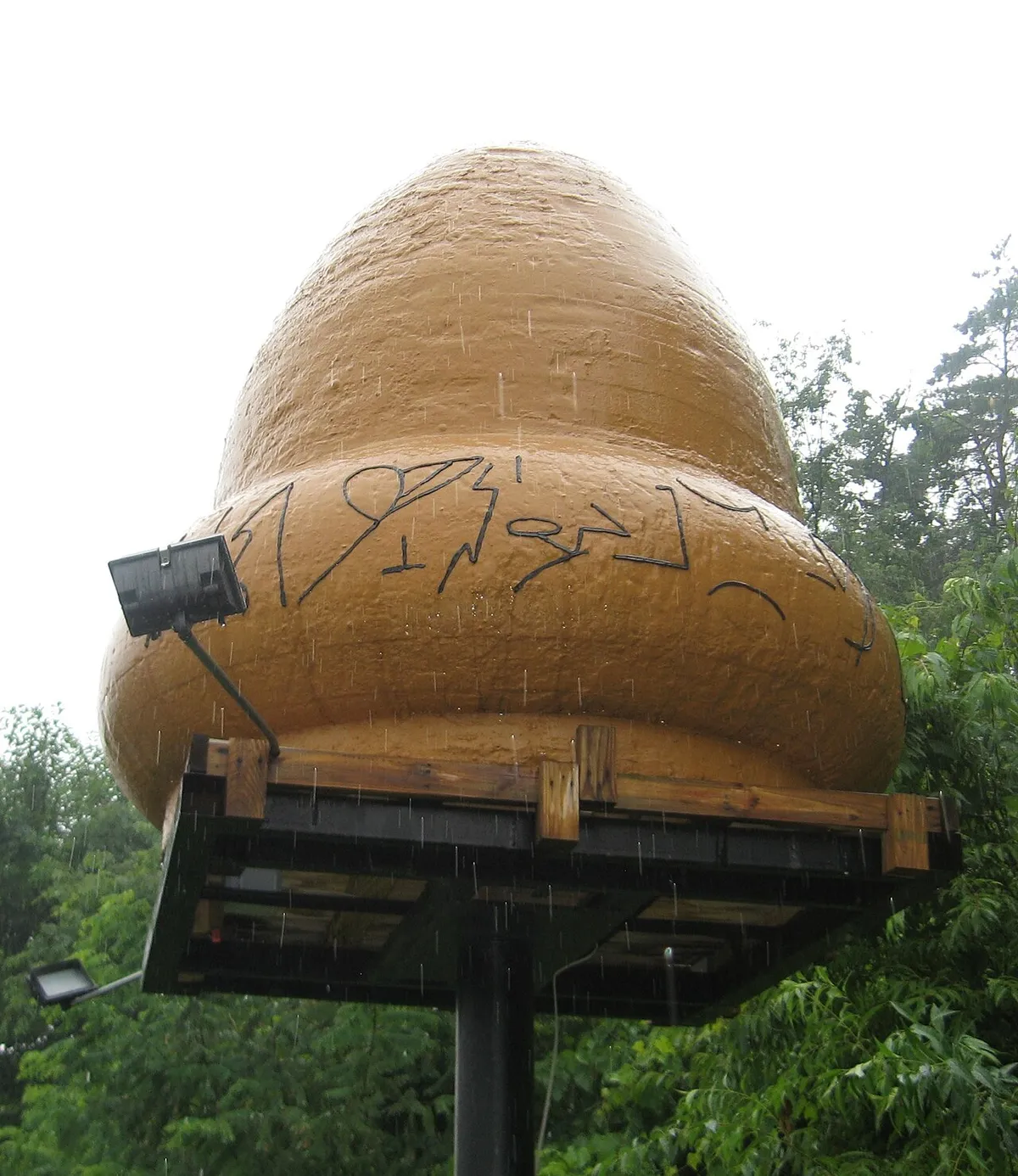
- Witnesses later say soldiers and state police sealed the woods and that an acorn-shaped object about the size of a Volkswagen bus was carted away on a flatbed truck. An Air Force memo on the night’s search says searchers ‘could not find anything’, and the Air Force called the fireball a meteor.
- In 2005 a NASA spokesman says the object was a Russian satellite and that records of NASA’s examination of fragments were ‘misplaced’. Journalist Leslie Kean, backed by the Sci Fi Channel, sues under FOIA; NASA agrees in October 2007 to a wider search that ends in 2009 with no definitive record.
- Astronomers called the fireball a meteor bolide, and skeptics say the Kosmos 96 satellite, which failed after launch and which Skeptoid says re-entered the same day, explains the military interest. Kean, who says Space Command and Russian data show the object was not a Russian satellite, calls Kecksburg ‘an unanswered question’.
Key witnesses: Kecksburg residents (including John Hays), volunteer firefighters, Pennsylvania State Police, investigator Stan Gordon, 23 pilots reporting the fireball, astronomers Hess and Bidelman, NASA spokesman Dave Steitz
Status: DEBATED
Background
On the afternoon of December 9, 1965, a bright fireball crossed the sky over Michigan and Ontario and was seen from several states. Sky and Telescope put it at about 4:44 p.m. EST, the FAA received 23 pilot reports, and a seismograph near Detroit reportedly recorded shock waves. Kecksburg, a village about 30 miles southeast of Pittsburgh, lay on the edge of the area where people reported it.
The Soviet Union’s Kosmos 96, a probe intended for Venus, had failed shortly after launch about two and a half weeks earlier and was reported by Skeptoid to have re-entered the atmosphere that same day. That coincidence, and Cold War anxiety, shaped how the evening was later remembered.
What was reported
Kecksburg residents told reporters and later researchers that they saw the fireball, felt a vibration or thump, saw blue smoke, and believed something had crashed in the woods. The Greensburg Tribune-Review, as quoted on Wikipedia, reported on December 10 that the landing area was sealed off on the order of Army and State Police officials, and an AP report said troopers and Air Force personnel searching with Geiger counters found nothing.
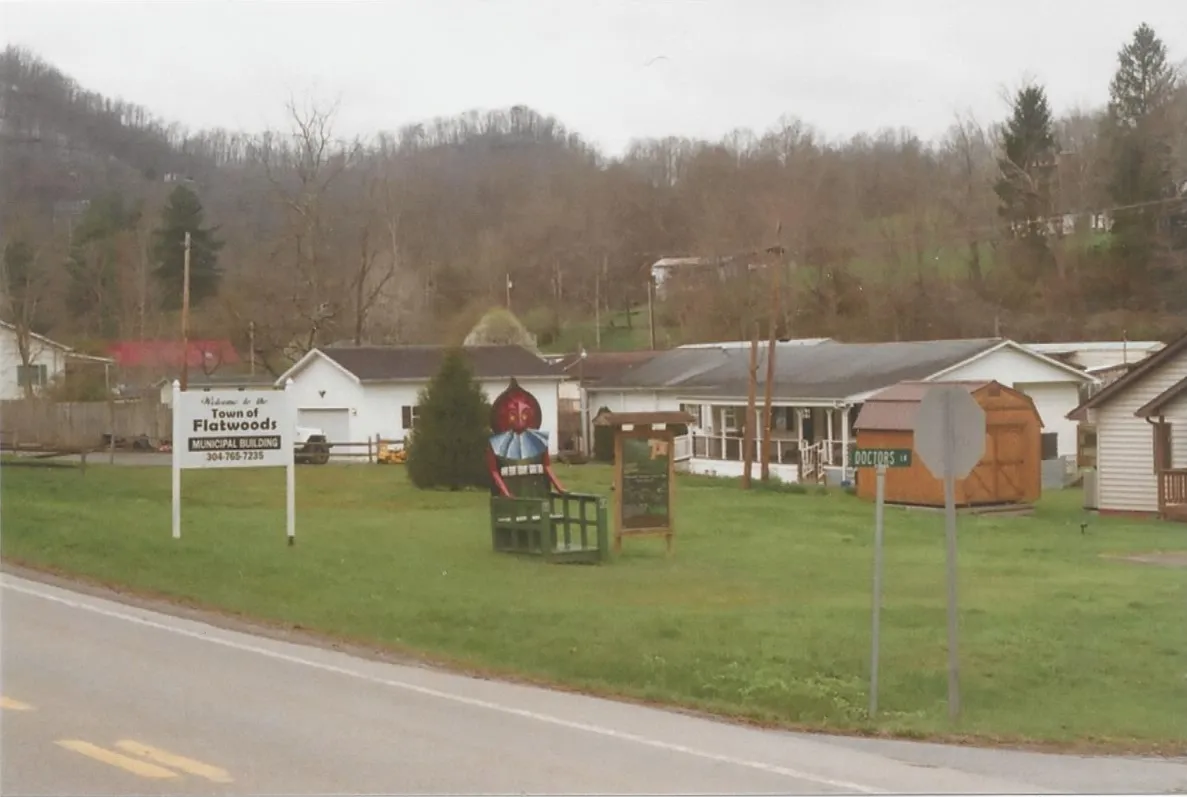
Over the following decades, witnesses said that a metallic, acorn-shaped object, described in one 2005 news account as 12 to 15 feet high and 8 to 12 feet across, and in other accounts as having markings like hieroglyphs around its base, had been found in the woods. They said military personnel cordoned off the area, loaded it onto a flatbed truck, and warned residents against talking. Investigator Stan Gordon has said he remains convinced that an object of undetermined origin came down near the town. A model built from residents’ descriptions, created for Unsolved Mysteries, is displayed outside the Kecksburg volunteer fire department.
Investigations and official findings
In December 1965 the Air Force and Defense Department attributed the event to a meteor or meteors, and astronomers such as William Bidelman and Fred Hess called it a meteor bolide. An Air Force memo cited by the Associated Press says searchers on the night of December 9 ‘could not find anything’. A 1967 paper in the Journal of the Royal Astronomical Society of Canada, as summarized on Wikipedia, used photographs and seismic data to place the fireball’s end near the northwestern shore of Lake Erie, far from Pennsylvania.
In 2003, Leslie Kean, an investigative reporter working with a Sci Fi Channel project, sued NASA under the Freedom of Information Act. In December 2005 NASA spokesman Dave Steitz said ‘there’s no cover-up’, that the object was a Russian satellite, and that experts had studied fragments but that ‘the documents supporting those findings were misplaced’. Kean rejected this and said NASA’s orbital-debris chief scientist, Nicholas Johnson, had concluded the object was not a Soviet satellite. In 2007 Judge Emmet Sullivan refused to dismiss the suit, and on October 26 NASA agreed to a broader search. A court-monitored search ended in August 2009 without a definitive record; Kean’s report listed unresolved contradictions and missing files.
Explanations and debate
Skeptics, including Skeptoid’s Brian Dunning, hold that the fireball was a natural bolide and that eyewitnesses often misjudge how far away one landed. He writes that two days later the local newspaper concluded ‘Nothing at all seems to have happened’, that the flatbed-truck story traces to one witness, a boy of ten at the time, who first told it on Unsolved Mysteries in 1990, and that more than fifty residents, according to the Tribune-Review as cited by Skeptoid, signed a petition asking producers not to air the programme. He says Air Force personnel searched because they likely knew Kosmos 96 was due to re-enter, and notes that former fire chief Ed Myers denied the cordon story attributed to him.
Other ordinary explanations conflict. Space writer James Oberg proposed Kosmos 96 in 1991, but Wikipedia reports that NASA later said the satellite’s orbit had decayed before the fireball and that the fireball’s path was probably too steep for a re-entering spacecraft, while Skeptoid dates its re-entry to the same day; Kean says U.S. Space Command and Russian data rule it out. Amateurs John Ventre and Owen Eichler suggested a General Electric Mark 2 re-entry vehicle. A forestry professor counted tree rings and attributed 1965 damage in the woods most likely to ice and wind, while a geoarchaeologist found no evidence of a high-speed impact, which Kean read as support for a soft landing. Gordon allows that the object could have been a secret man-made device or something extraterrestrial.
Why it still matters
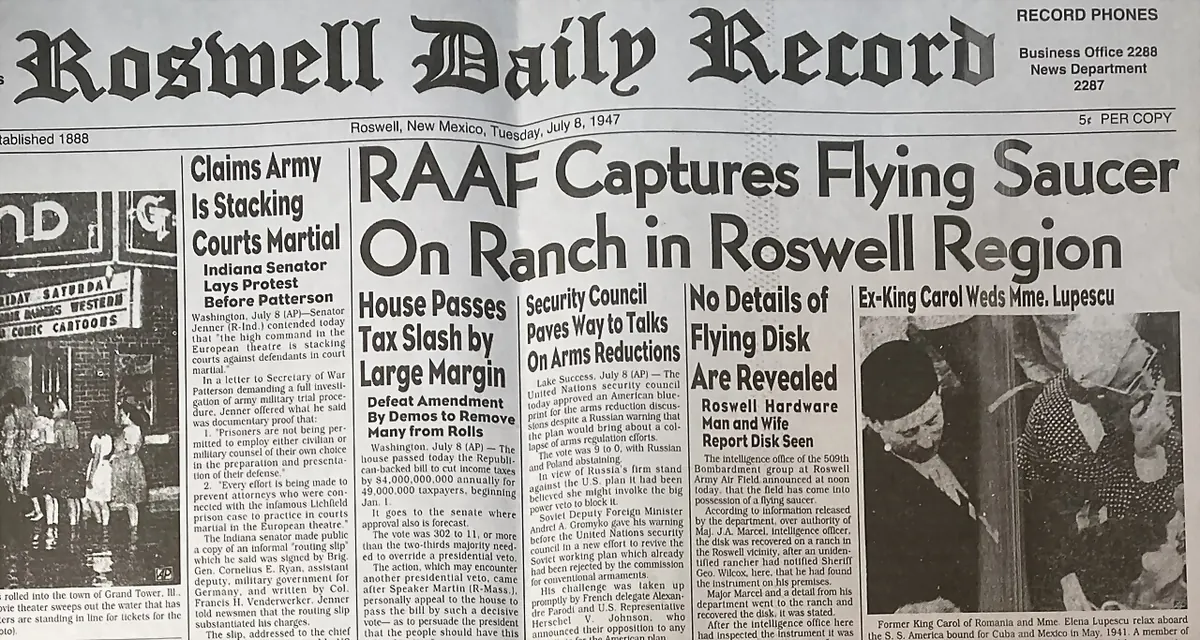
Kecksburg is often called ‘Pennsylvania’s Roswell’, and each side can cite evidence: the fireball is documented and meteor-like, while the reported recovery rests on later testimony. The lawsuit made the case a test of how agencies keep and lose records; Kean said it shows the problems with the Freedom of Information Act. The volunteer fire department now holds an annual UFO festival that raises money for the town.
Sources
- Wikipedia: Kecksburg UFO incident archived
- Skeptoid: Alien Visitation and Kecksburg, 2019 archived
- NBC News/AP: NASA to search files on ’65 UFO incident, October 26, 2007 archived
- Space.com via Fox News: Is Case Finally Closed on ’65 UFO Mystery?, November 25, 2009
- Central Daily Times: Researcher featured on Sci Fi Channel wants NASA ‘UFO’ records, December 8, 2005 archived
- The Clio: Kecksburg UFO Incident